
How to Choose the Best Patio Furniture Cover: A Complete Guide
Your patio furniture faces a tough life outdoors. Sun, rain, and wind attack it every single day.
A good cover protects your investment for years. A bad cover can actually cause more harm than good.
Many people grab the first cover they see. This simple mistake leads to ripped seams or wind damage later on.
The truth is, choosing the right cover takes a little know-how. You need to think about material, size, and weather resistance.
This guide breaks down everything you need to know. We will walk you through a simple five step process to find your perfect match.
You will learn how to measure your furniture correctly. We also explain why ventilation matters just as much as waterproofing.
Weight matters too. We cover the difference between lightweight and heavyweight fabrics so you know what fits your climate.
By the end of this article, you will feel confident. You will know exactly what features to look for and which common mistakes to avoid.
Let’s help you keep your furniture looking brand new, season after season.
In a Nutshell
Picking the right patio furniture cover does not need to feel hard. Here is a quick summary to keep in mind.
-
Measure first: Always check your furniture’s width, depth, and height. Add one to two inches for a comfortable fit.
-
Check the fabric weight: Light covers use 300+ denier polyester. Heavy duty options use 600+ denier for tougher protection.
-
Look for airflow: A good cover leaves two to six inches of ground clearance. This stops moisture from getting trapped underneath.
-
Avoid the wrong size: A tight cover can rip at the seams. A loose one can fly off in strong wind.
-
Pick weatherproof and UV resistant material: This keeps your furniture safe from sun damage, rain, and harsh weather.
-
Follow the five step process: Review the cover type, understand your weather risks, measure carefully, check key features, then make your choice.
Getting these basics right means your furniture stays protected all year. A little planning now saves you money and hassle later.
Why a Quality Patio Furniture Cover Matters
A quality patio furniture cover does much more than sit on top of your pieces. It acts as a shield against the elements that damage outdoor furniture every single day.
Weather protection is the main job. Your furniture faces rain, snow, UV rays, and temperature swings. Without a cover, wood cracks and fades. Metal rusts and corrodes. Fabric cushions develop mold and mildew. A good cover stops these problems before they start.
The cost difference matters too. A decent cover costs far less than replacing a damaged dining set or lounge chairs. One season of harsh weather can ruin expensive furniture. A cover extends the life of your investment by years, sometimes decades.
Proper covers also reduce maintenance work. Covered furniture needs less cleaning and fewer repairs. You skip the constant scrubbing, staining, and refinishing. This saves you time and money over the long run.
Ventilation in a quality cover prevents moisture buildup underneath. This is critical. Trapped moisture causes rust on metal frames and rot on wooden pieces. A cover without airflow actually speeds up damage rather than preventing it.
The right fit matters just as much as the material. A cover that is too loose flaps in the wind and shifts around. A cover that is too tight strains the seams and can tear. A snug, properly sized cover stays in place and protects every corner of your furniture.
Quality also means the fabric resists UV damage. Sun exposure breaks down cheap materials quickly. A cover that fades and cracks in one season fails at its main job. Better fabrics last multiple seasons and keep your furniture safe the entire time.
Choosing a quality cover is not an expense. It is an investment in keeping your outdoor space looking good and functioning well for years to come.
Understanding Weather Threats to Your Outdoor Furniture
Your patio furniture sits outside where weather attacks it constantly. Rain, snow, sun, and wind all work to break down materials and fade colors. Understanding these threats helps you pick a cover that actually protects your investment.
UV rays damage furniture most people don’t think about. The sun bleaches wood, fades cushions, and cracks plastic over time. Even on cloudy days, UV rays penetrate and cause harm. A cover with UV resistance blocks these rays before they reach your pieces.
Rain creates another major problem. Water pools on loose covers and drips underneath. Moisture trapped under a cover causes mold, mildew, and wood rot. This happens fast in humid climates. Your cover needs ventilation to let moisture escape while keeping rain out.
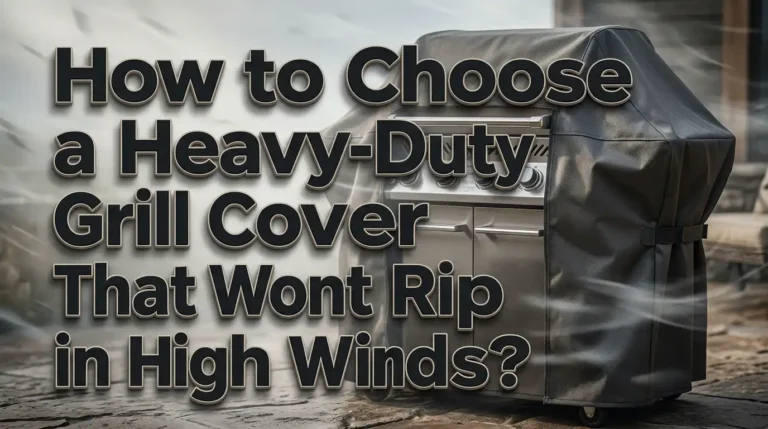
Wind is sneaky and destructive. A cover that doesn’t fit snugly flaps around and shifts position. This exposes your furniture to the elements. Loose covers also tear easily when wind whips them. A tight fit keeps the cover in place during storms.
Snow and ice add weight and stress to covers. In cold climates, heavy snow can tear weak fabrics or collapse covers. You need stronger material in these areas.
Temperature swings cause expansion and contraction. Materials expand in heat and shrink in cold. This constant movement weakens seams and fabric fibers over time. Quality covers handle these changes without falling apart.
Humidity levels matter too. Coastal areas have salt spray that corrodes metal furniture. Desert climates bring intense sun but less moisture. Tropical zones mean constant humidity and rain. Your specific location determines which threats matter most.
Knowing your local weather helps you choose the right protection level. A light cover works fine in mild climates with occasional rain. Heavy duty covers belong in areas with harsh winters or intense sun. Match your cover to the actual threats your furniture faces where you live.
Essential Features to Look For in a Cover
When you’re picking a patio furniture cover, focus on features that actually protect your investment. The best covers combine several key qualities that work together to keep your furniture safe year round.
Durable fabric is your first priority. Look for materials rated at 300 denier or higher. This measurement tells you how thick and strong the fabric is. Heavier fabrics (600+ denier) work better in harsh climates with heavy rain or snow.
UV resistance matters more than most people realize. The sun doesn’t just fade colors. UV rays break down fabric fibers and damage wood, plastic, and metal underneath. A cover with UV protection blocks these damaging rays and extends your furniture’s lifespan.
Ventilation prevents hidden damage. Moisture trapped under a cover causes rust, mold, and rot. Your cover needs small vents or breathable fabric that allows air to flow underneath. Aim for two to six inches of ground clearance so moisture escapes naturally.
Weatherproof construction keeps water out. Check if the fabric resists water penetration. Seams should be sealed or reinforced so rain doesn’t seep through at the edges. The cover should shed water without pooling on top.
A snug fit prevents wind damage. Loose covers flap around and shift in breezes, leaving parts of your furniture exposed. Tight covers can rip seams or tear under tension. The fit should be snug but not stretched to the breaking point.
Reinforced corners and straps add durability. These areas experience the most stress during wind and weather. Reinforced stitching and quality straps keep the cover stable and in place.
Check for adjustable features. Ties, velcro straps, or elastic hems let you customize the fit to your specific furniture shape. This flexibility means better protection across different piece sizes and styles.
How to Measure Your Furniture for the Perfect Fit
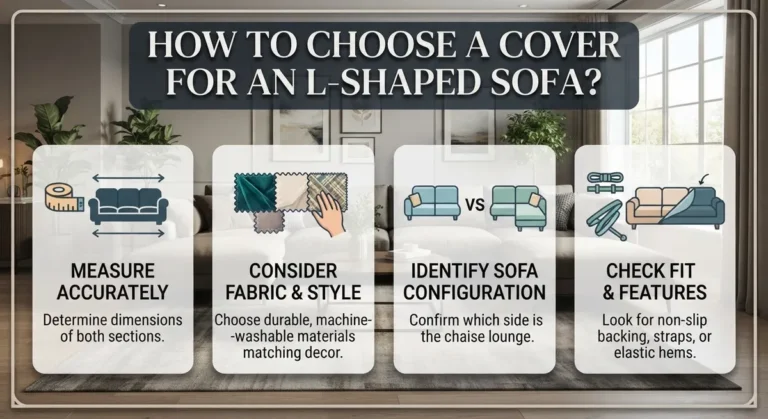
Measuring your furniture correctly is the most important step before buying a cover. Skip this step and you’ll end up with a cover that doesn’t fit right. A cover that’s too tight rips at the seams. A cover that’s too loose flaps in wind and leaves your furniture exposed.
Start by measuring three key dimensions: width, depth, and height. Width is the distance across the widest part of your furniture from side to side. Depth is the distance from front to back. Height is measured from the ground to the top of the furniture, including any cushions or armrests you’ll leave on it.
Write down each measurement in inches. Be as accurate as possible. Use a soft measuring tape rather than a rigid ruler. Soft tape wraps around curved furniture pieces more easily and gives you true measurements.
Add 1 to 2 inches to each dimension. This extra space lets the cover fit snugly without being uncomfortably tight. It also allows room for the fabric to settle naturally over your furniture shape.
If your furniture has an irregular shape, measure the widest and deepest points. Round up to the nearest inch. For oddly shaped pieces, measure multiple sections and note which areas stick out the most.
Take photos of your furniture from different angles. Write your measurements directly on the photos. This helps you remember exactly what you measured and where.
Compare your final measurements to the cover’s size specifications before purchasing. Manufacturers list their cover dimensions clearly. Match your furniture dimensions plus the extra 1 to 2 inches to the cover size offered.
Keep your measurement notes and photos. You’ll need them if you ever need to order a replacement cover or upgrade to a different size later.
Step-by-Step Process for Selecting the Right Cover
Start by understanding what makes a cover work well. A good cover protects your furniture from rain, sun, wind, and temperature changes. The fabric needs to be strong enough to handle outdoor stress without tearing or fading.
Next, check the material weight. Covers come in different densities. Lightweight options use 300 denier polyester, while heavy duty versions go up to 600 denier or more. Higher numbers mean thicker, more protective fabric. Your choice depends on your local weather.
Think about your specific climate challenges. Do you get heavy rain? Strong winds? Intense sunshine? Each threat requires different cover features. A humid area needs ventilation to prevent mold. A sunny location demands UV protection. Windy regions require secure fit designs.
Examine the fabric construction carefully. Weatherproof material repels water instead of absorbing it. Check if the cover has reinforced seams and stitching. Look for ventilation holes or mesh panels that allow air to flow underneath.
Consider the fit type. A snug cover stays in place during storms and windy days. Loose covers shift around and leave furniture exposed. However, the cover shouldn’t be so tight that it strains the seams or damages your furniture.
Check for straps and fasteners. Many covers include tie down systems or elastic hems. These features keep your cover secure without requiring additional equipment. Some designs have buckles or loops for extra stability.
Review the cover’s ground clearance. A good cover sits 2 to 6 inches above the ground. This space allows water to drain away and air to circulate. Covers sitting directly on wet ground trap moisture and cause rust or rot.
Finally, read product specifications carefully. Compare the cover’s listed dimensions to your furniture measurements. Don’t skip this step. A cover that’s too small won’t fit. A cover that’s too large flaps around in wind and provides poor protection.
Common Mistakes to Avoid When Choosing a Cover
People make several common mistakes when choosing patio furniture covers. Understanding these errors helps you avoid wasting money and failing to protect your investment.
The most frequent mistake is buying the wrong size. Many shoppers guess at dimensions instead of measuring. A cover that’s too tight will stress the seams and cause ripping. A cover that’s too loose shifts in wind, leaving furniture exposed to rain and sun damage.
Ignoring material quality is another costly error. Cheap fabrics fall apart quickly and offer poor protection. They don’t resist UV rays effectively and tear easily in storms. Investing in quality fabric with proper denier rating pays off through years of reliable protection.
People often overlook their local weather conditions. Someone in a dry climate may choose a light cover, while someone in a rainy region needs heavy duty weatherproofing. Your cover should match the specific threats your furniture faces. Rain, snow, intense sun, and wind all require different protection levels.
Many shoppers skip ventilation considerations entirely. They assume a sealed cover provides the best protection. Actually, trapped moisture underneath causes rust, mold, and wood rot. Your cover needs airflow to prevent these hidden problems.
Skipping the measurement step before purchase is a critical mistake. You cannot rely on furniture type names alone. Two “sectionals” from different makers have different dimensions. Always measure width, depth, and height. Add 1 to 2 inches for proper fit.
People also forget that covers need ground clearance. A cover sitting flat on wet ground traps moisture underneath. You need 2 to 6 inches of space between the ground and cover bottom for drainage and air circulation.
Finally, shoppers often ignore straps and fasteners. Loose covers blow away in strong winds. Proper attachment systems keep your cover in place through storms and windy seasons.
Tips for Extending the Life of Your Patio Furniture Cover
Your patio furniture cover needs regular care to stay effective and last longer. Simple maintenance routines protect your investment and keep your furniture safe underneath.
Clean your cover regularly throughout the year. Dust and debris settle on the surface and trap moisture. Use a soft brush or vacuum with a gentle attachment to remove loose dirt. For stubborn stains, mix mild soap with water and scrub gently. Rinse thoroughly with a garden hose. Let it dry completely before storing or replacing it on your furniture.
Check for damage after severe weather. High winds, heavy rain, or storms can tear seams or create holes. Inspect the entire cover for rips, punctures, or loose stitching. Small holes grow larger over time as wind and water pressure increases. Address damage quickly with fabric repair kits designed for outdoor materials.
Ensure proper airflow beneath your cover at all times. Moisture trapped under a cover causes mold and mildew on your furniture. Maintain that 2 to 6 inch ground clearance you established during installation. This space lets air circulate and water drain away naturally. Adjust your cover periodically to prevent it from settling too close to the ground.
Store your cover properly during off seasons. If you remove it for summer months, clean it first and let it dry completely. Fold it neatly and keep it in a dry location away from direct sunlight. Store covers in a garage, shed, or storage bin. Keep them away from sharp objects that could puncture the fabric.
Check fasteners and straps monthly. Ties and buckles loosen over time from wind and weather exposure. Tighten any loose connections to keep your cover secure. Replace broken fasteners immediately so your cover stays in place during storms.
These simple steps keep your cover functioning properly and extend its lifespan by years.
Final Thoughts
Choosing the best patio furniture cover comes down to a few simple truths. Your furniture deserves real protection, not just a piece of fabric thrown over it. The right cover keeps rain, sun, and wind from ruining your outdoor investment.
Remember that measurements matter more than guesswork. A cover that fits well protects better than one that simply looks nice. Take your time with this step and you will avoid most common problems.
Material quality makes a lasting difference too. Heavy duty, weatherproof fabric costs more upfront but saves you money over time. Cheap covers wear out fast and leave your furniture exposed again.
Ventilation and ground clearance often get ignored, but they matter just as much as fabric strength. Trapped moisture damages furniture just as badly as rain does. A good cover breathes while it protects.
Think about your climate honestly. Coastal areas need different protection than dry inland regions. Heavy snow zones require different features than places with mild winters.
Your selection process should feel straightforward once you know what to look for. Check the fabric, confirm the fit, and verify ventilation features before you commit to any cover.
Small details like straps and fasteners seem minor but prevent major headaches. Wind can destroy an unsecured cover in minutes during a storm.
Good maintenance habits extend the life of even an average cover. Regular cleaning and proper storage help any cover perform better for longer.
At the end of the day, the best cover is one that matches your furniture, your climate, and your budget. There is no single perfect option for everyone.
Take these guidelines, apply them to your situation, and you will make a confident choice. Your patio furniture will thank you with years of good service and lasting protection.
Frequently Asked Questions
What size cover do I actually need?
Measure your furniture’s width, depth, and height. Add 1 to 2 inches extra to each dimension. This prevents the cover from stretching too tight or hanging too loose. A snug fit stops wind from lifting the cover. A loose fit allows shifting and damage.
How much does material weight matter?
Heavier fabrics offer better protection. Lightweight polyester starts at 300 denier. Heavyweight options reach 600 denier or more. Thicker materials resist UV rays better and last longer. However, heavier covers cost more money. Choose based on your climate and how often you use your furniture.
Do I really need ventilation in my cover?
Yes. Moisture trapped under a cover causes mold and mildew. Ventilation prevents moisture buildup and keeps your furniture dry underneath. Look for covers with vents or breathable fabric panels. Proper airflow also prevents rust on metal frames.
How much ground clearance should my cover have?
Keep 2 to 6 inches of space between the ground and your cover’s bottom edge. This allows water to drain away and air to circulate. Without clearance, water pools underneath and damages your furniture. Straps and fasteners help maintain this gap even during windy weather.
What weather conditions should I consider?
Think about your local climate honestly. Do you get heavy rain, intense sun, or snow? Coastal areas need salt resistant fabrics. Desert regions require strong UV protection. Cold climates demand durable materials that won’t crack. Your cover should match the specific threats your furniture faces year round.

Luffy is the founder and lead writer at ProtectItFinds.com, where he helps readers find the best covers, cases, and protective solutions for their appliances, gadgets, and everyday products. With a passion for in-depth research and hands-on product testing, Luffy breaks down honest reviews and comparisons so you can protect what matters most — without the guesswork.